CABBAGETOWN
Residential Renovation
Toronto, Canada | Completed 2026
General Contractor: Starna
Photographer: Ema Peter
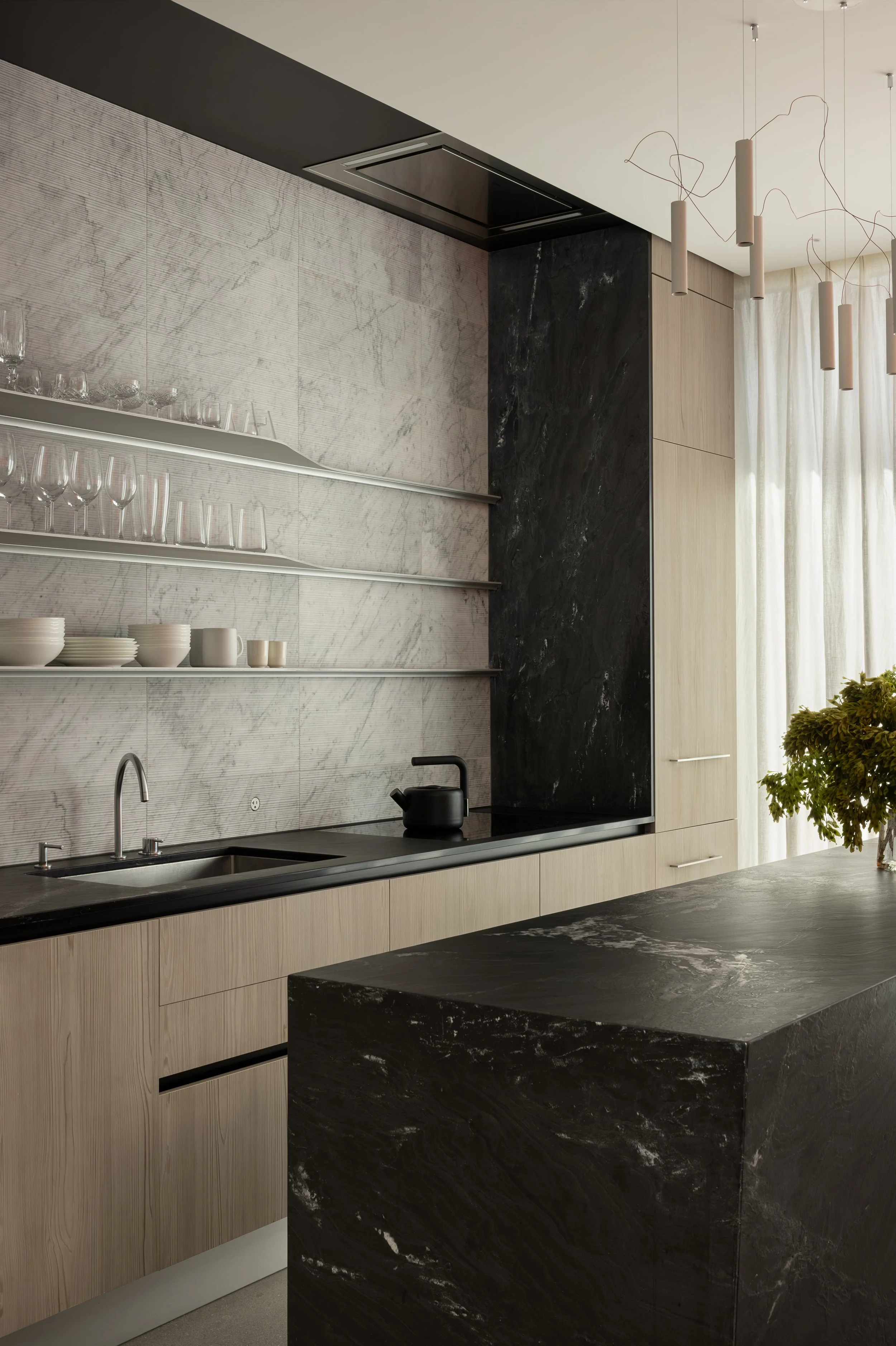
Winner - Small Space Kitchen, KDC Awards
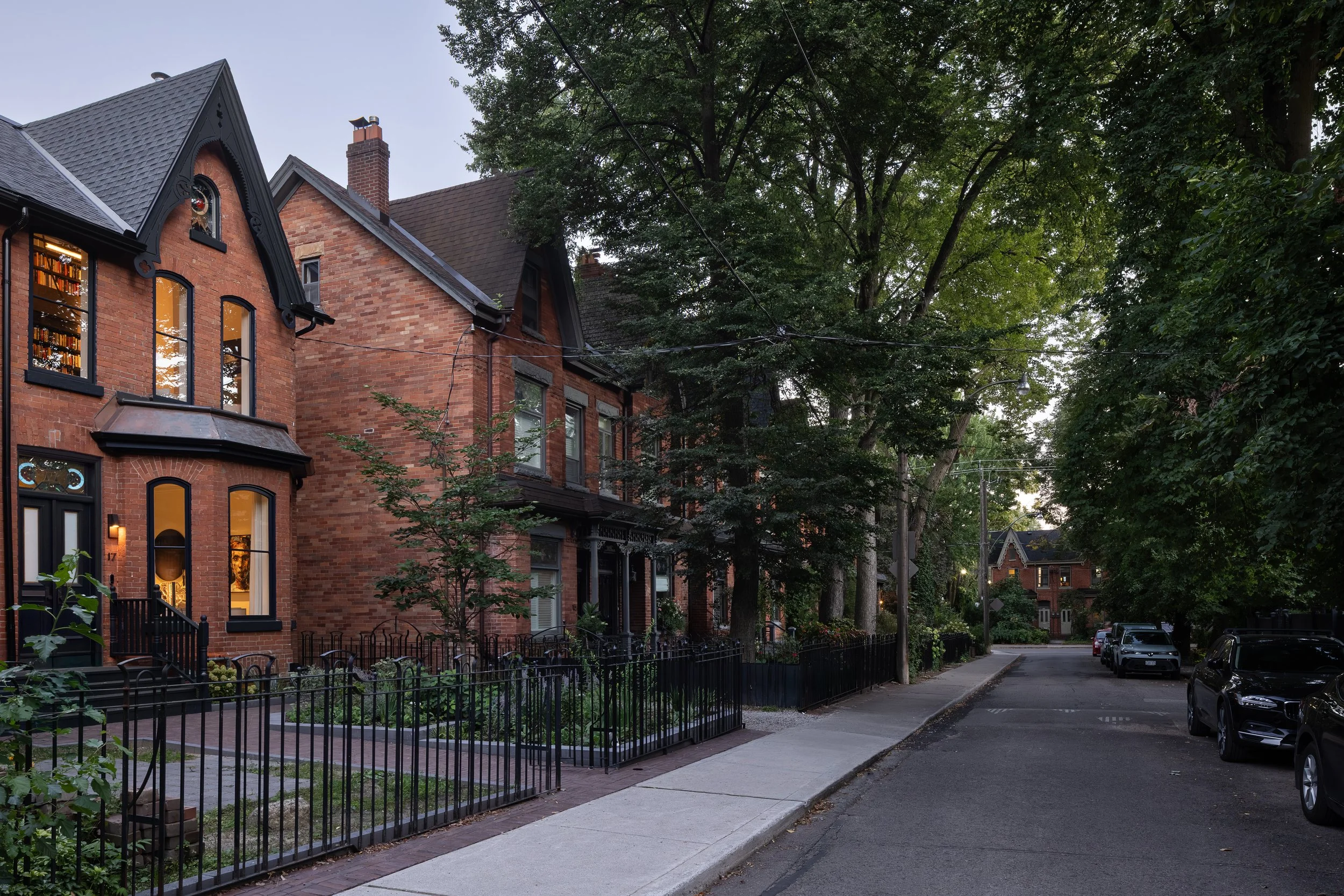
Like much of Toronto’s Victorian housing stock, Trevor Wallace’s Cabbagetown home is narrow in footprint and rich in the details of its time. For the Reflect Architecture principal, its renovation offered an opportunity to consider how this existing fabric could adapt to the needs of his family. Originally a two-bedroom, one-bathroom house with no basement, the residence was expanded to four bedrooms and four bathrooms through an underpinning and the addition of a third storey above the existing two-storey rear extension.
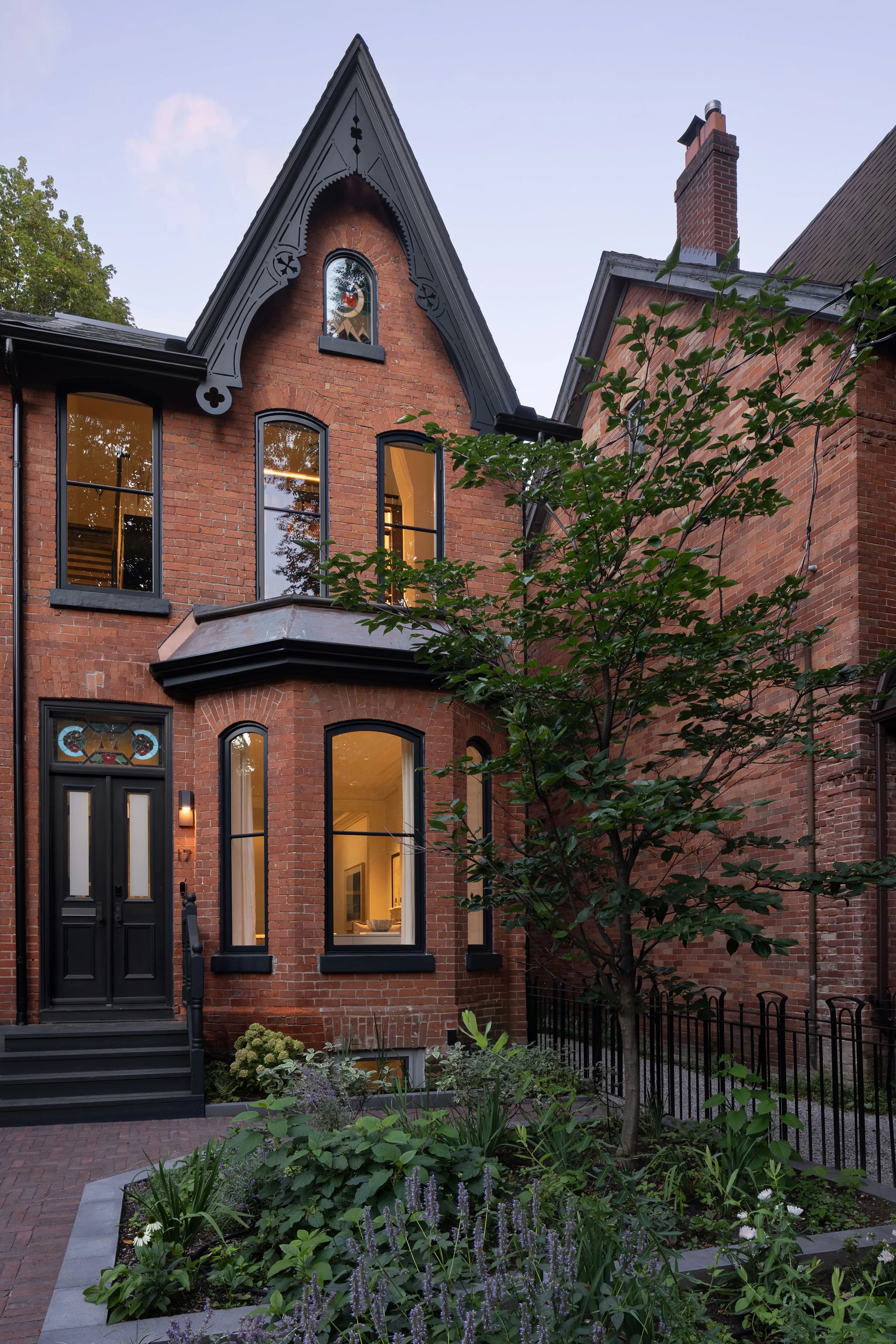
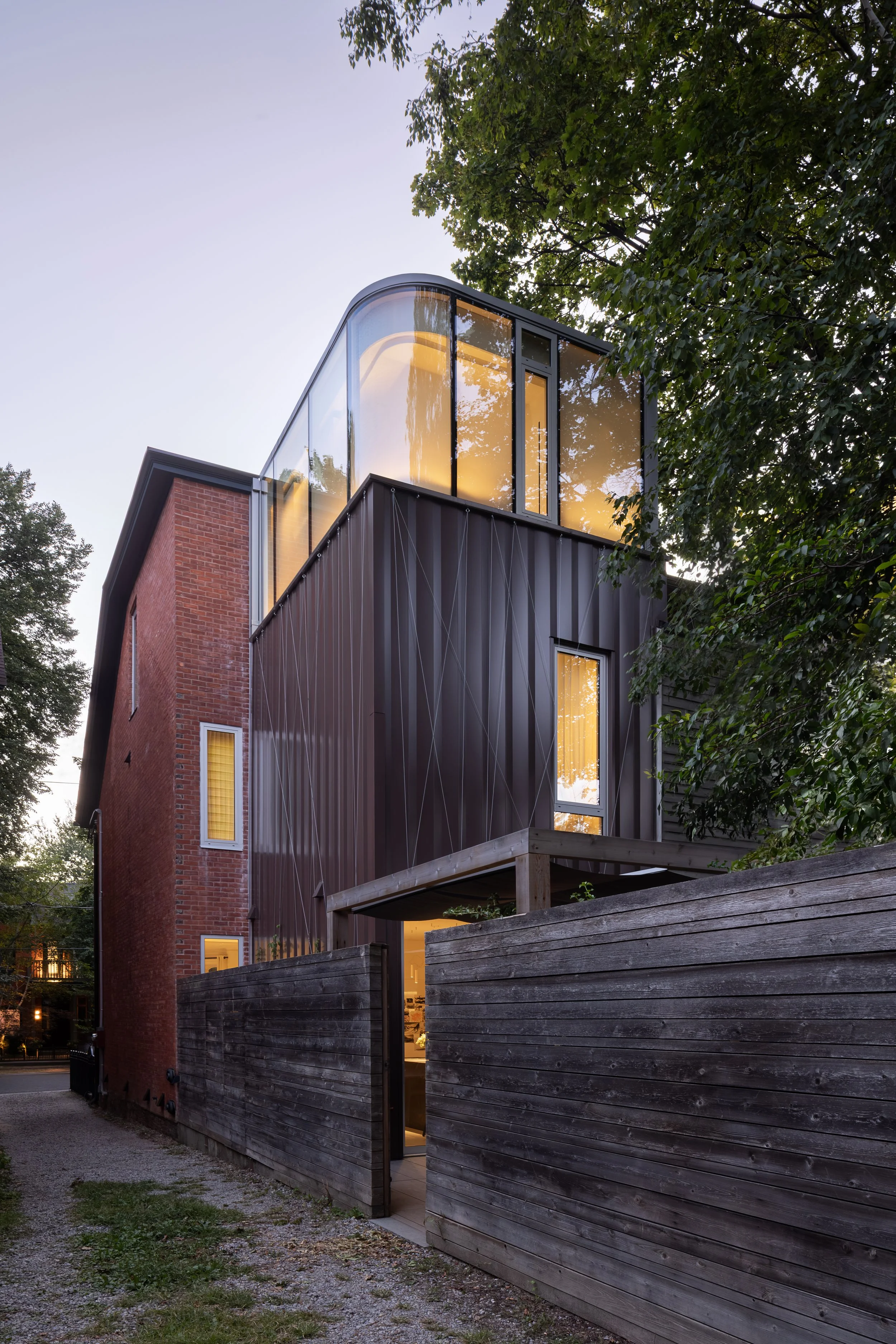
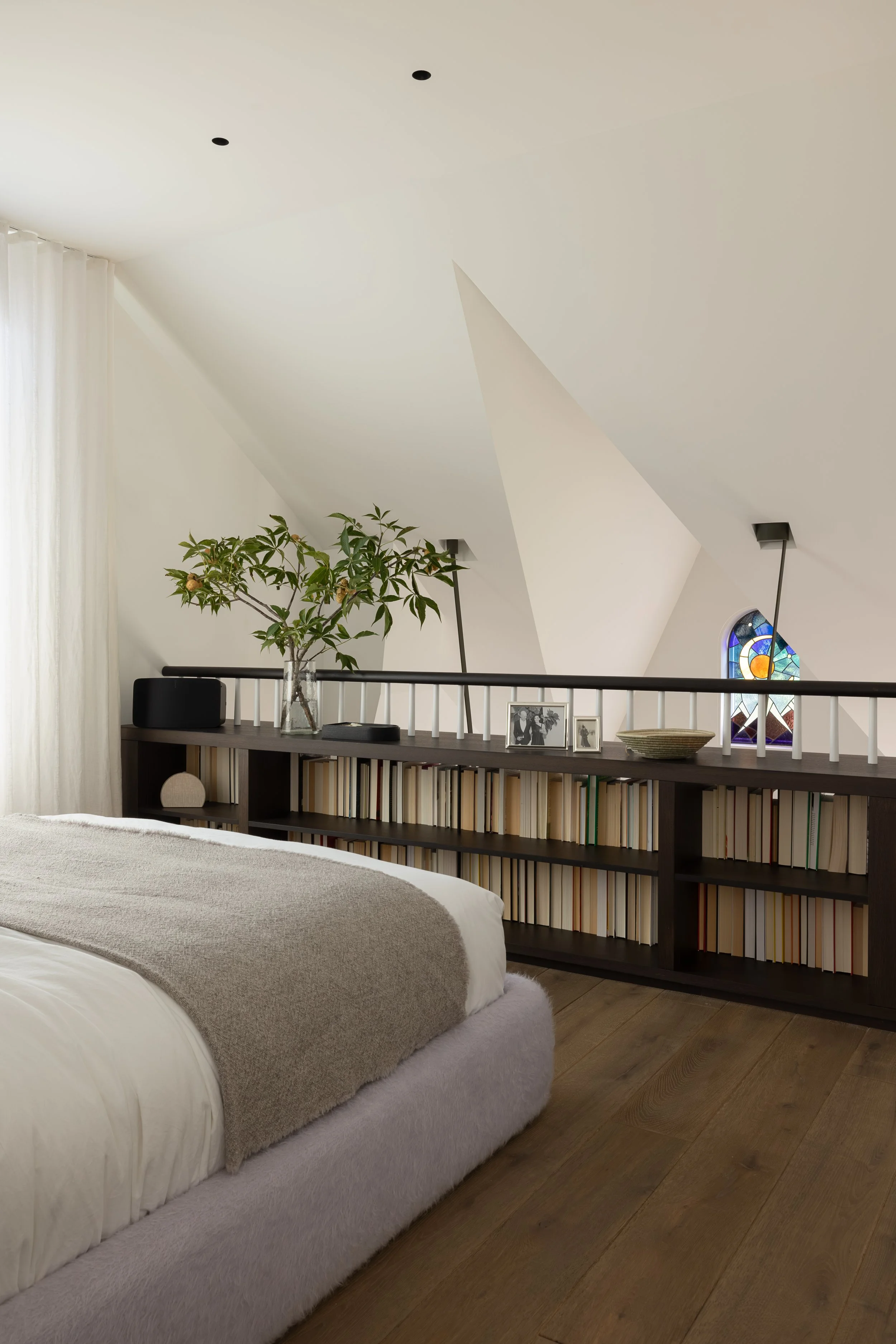
Rather than returning the house to a singular point in its history, the renovation treats it as part of an ongoing evolution. Wallace describes part of this approach as cultural future-proofing: questioning conventions around how a family home should look and function. Original mid-19th century elements are restored, meaningful later additions are retained, and new interventions are clearly contemporary but contextually aware. Stained glass added to the house in the 1970s, for example, was restored and set behind new high-performance glazing. Together, these layers form an assemblage specific to the house, distinct in character but singular in their combination.
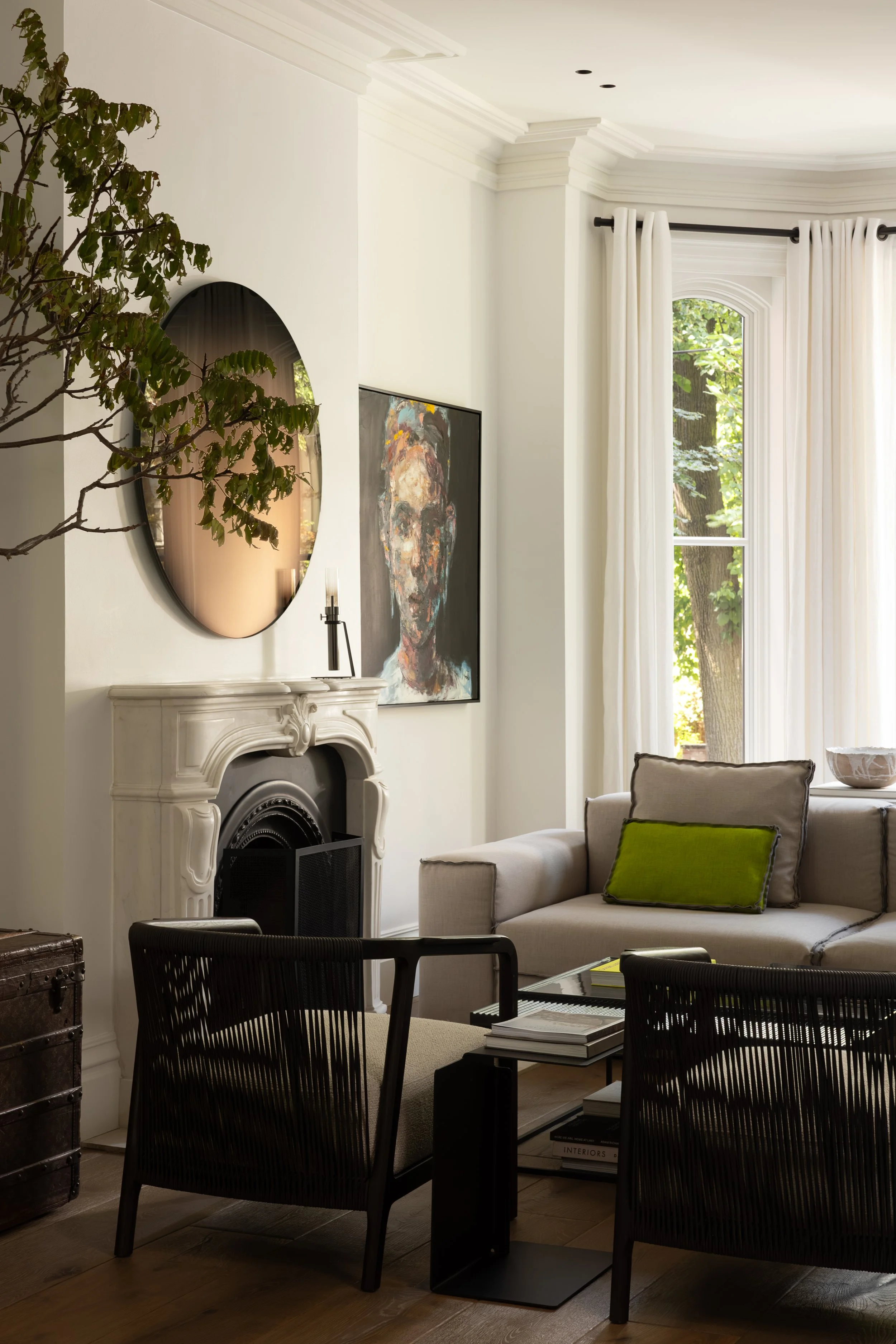
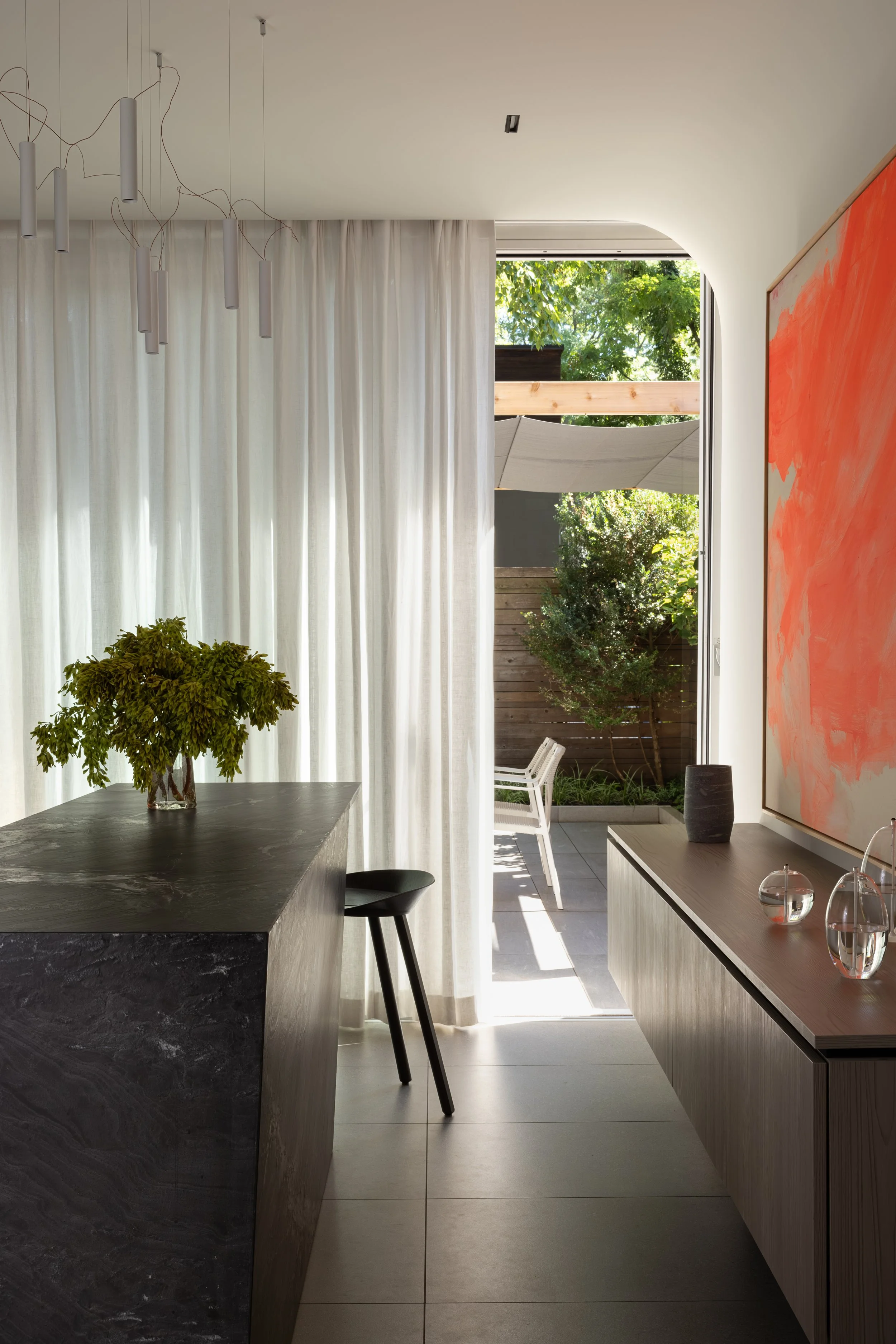
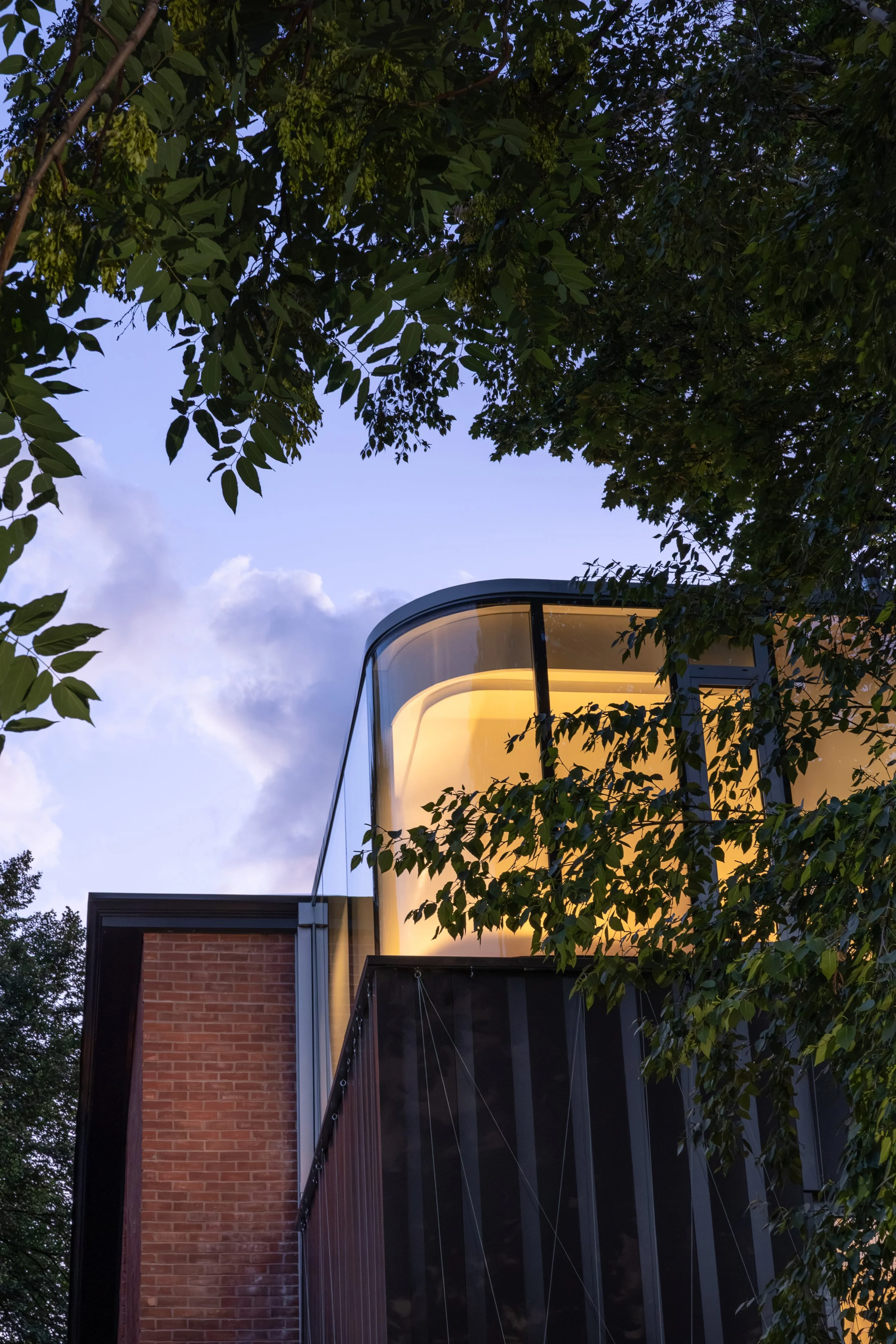
Preservation and new intervention play out differently at the front and rear of the house. At the street, the home’s Victorian character is reinforced, with arched windows reinstated to follow the original arched brick lintel. At the rear, where neighbouring homes have accumulated additions over time, the existing two-storey extension is retained and reclad, while a new third storey introduces a distinctly contemporary language above. The lower volume’s vertical cladding takes its proportions and colouring from board-and-batten additions found throughout the neighbourhood, while wires support vines that will gradually grow across the facades. Above, the new third storey is expressed as a curved ribbon of glass, its light and reflective quality reducing the visual weight of the expanded house while allowing the existing rear volume to remain legible as two storeys.
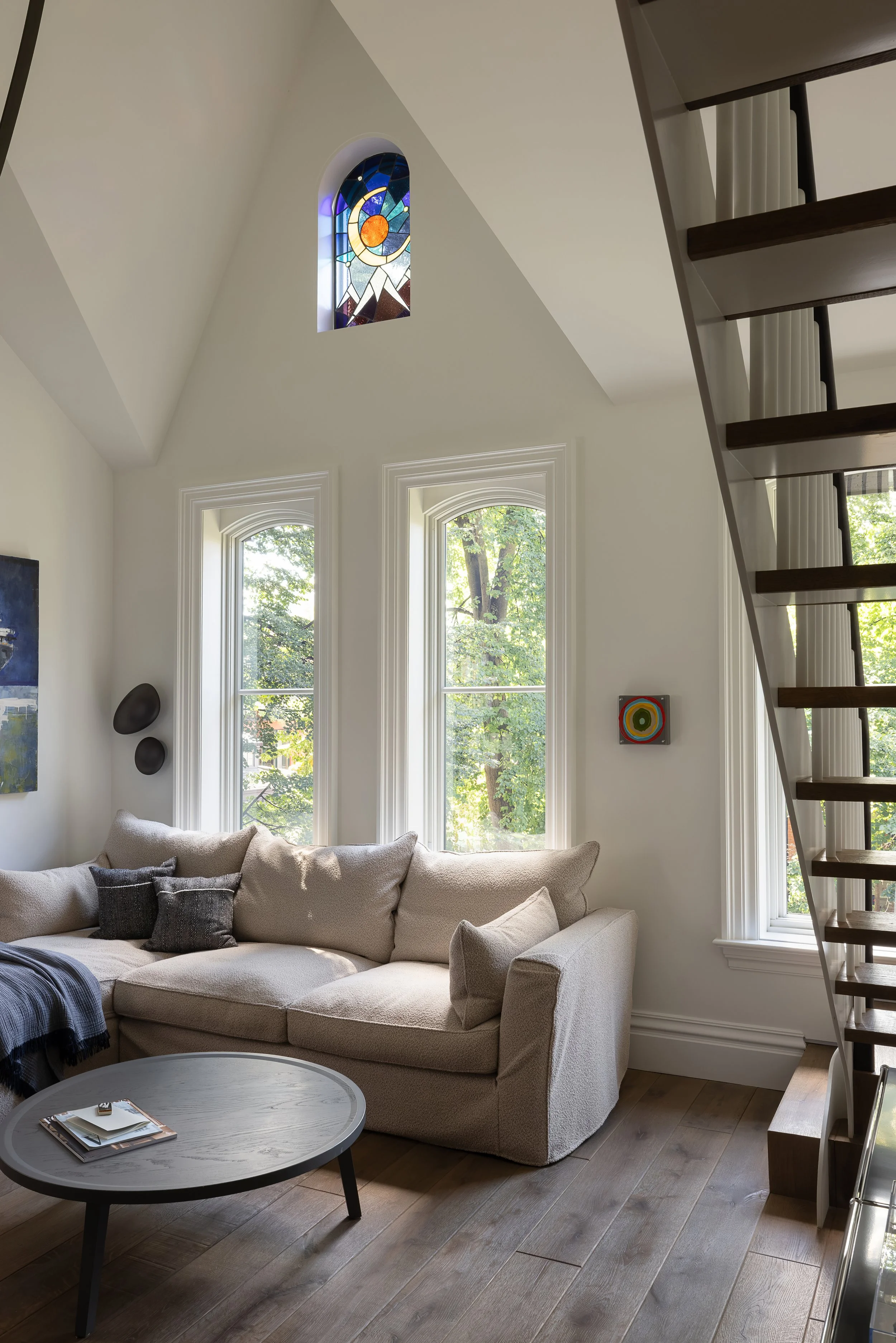
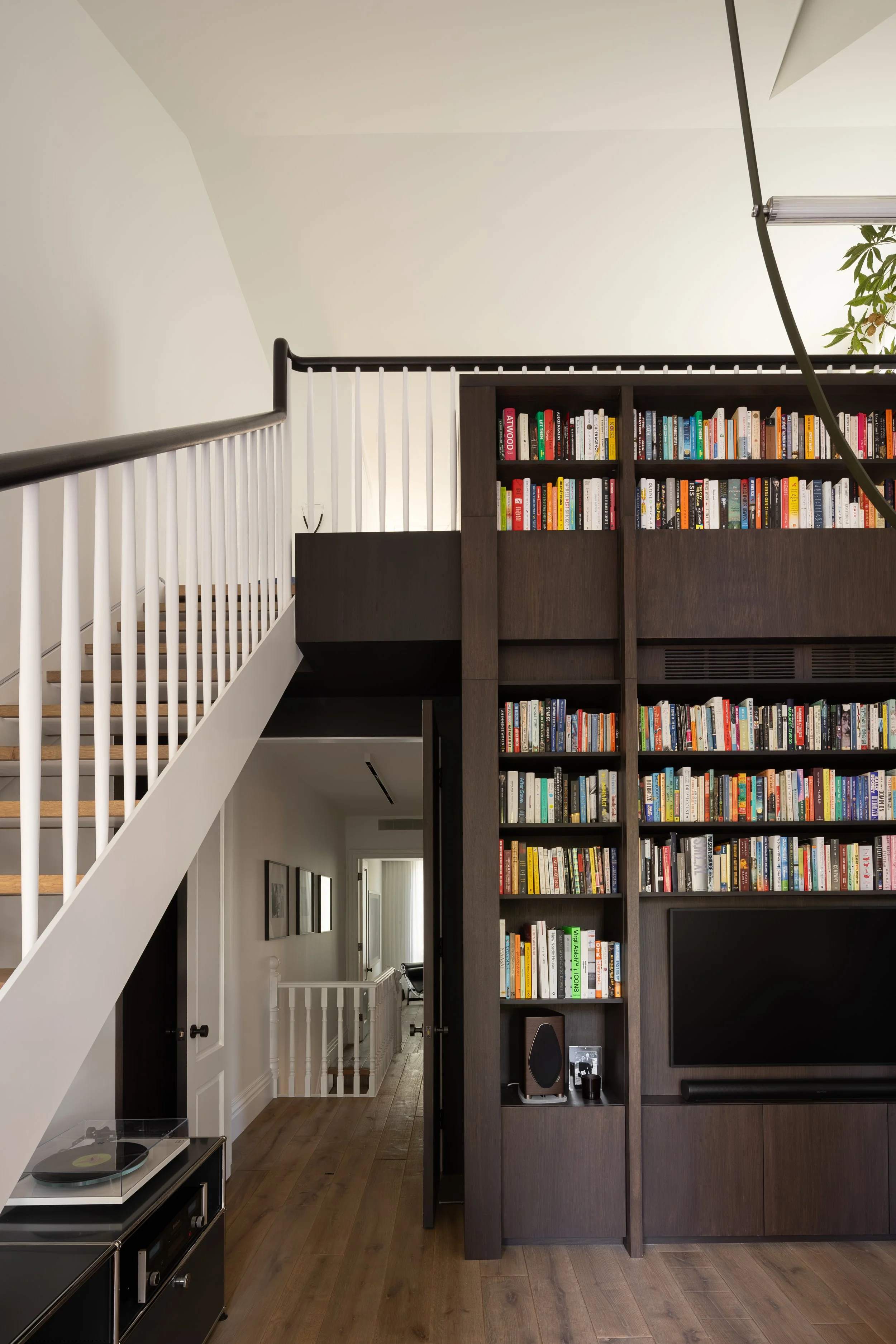
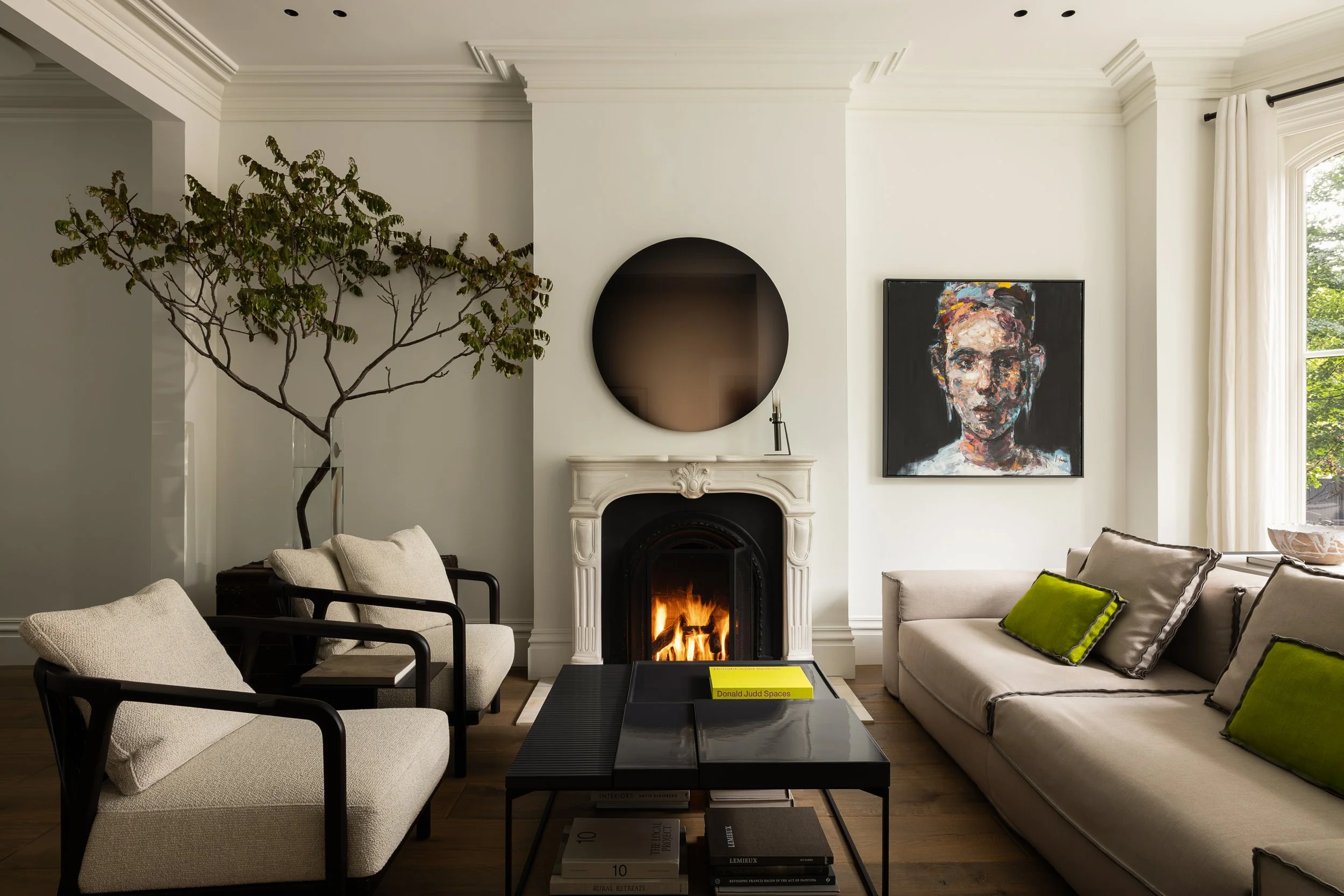
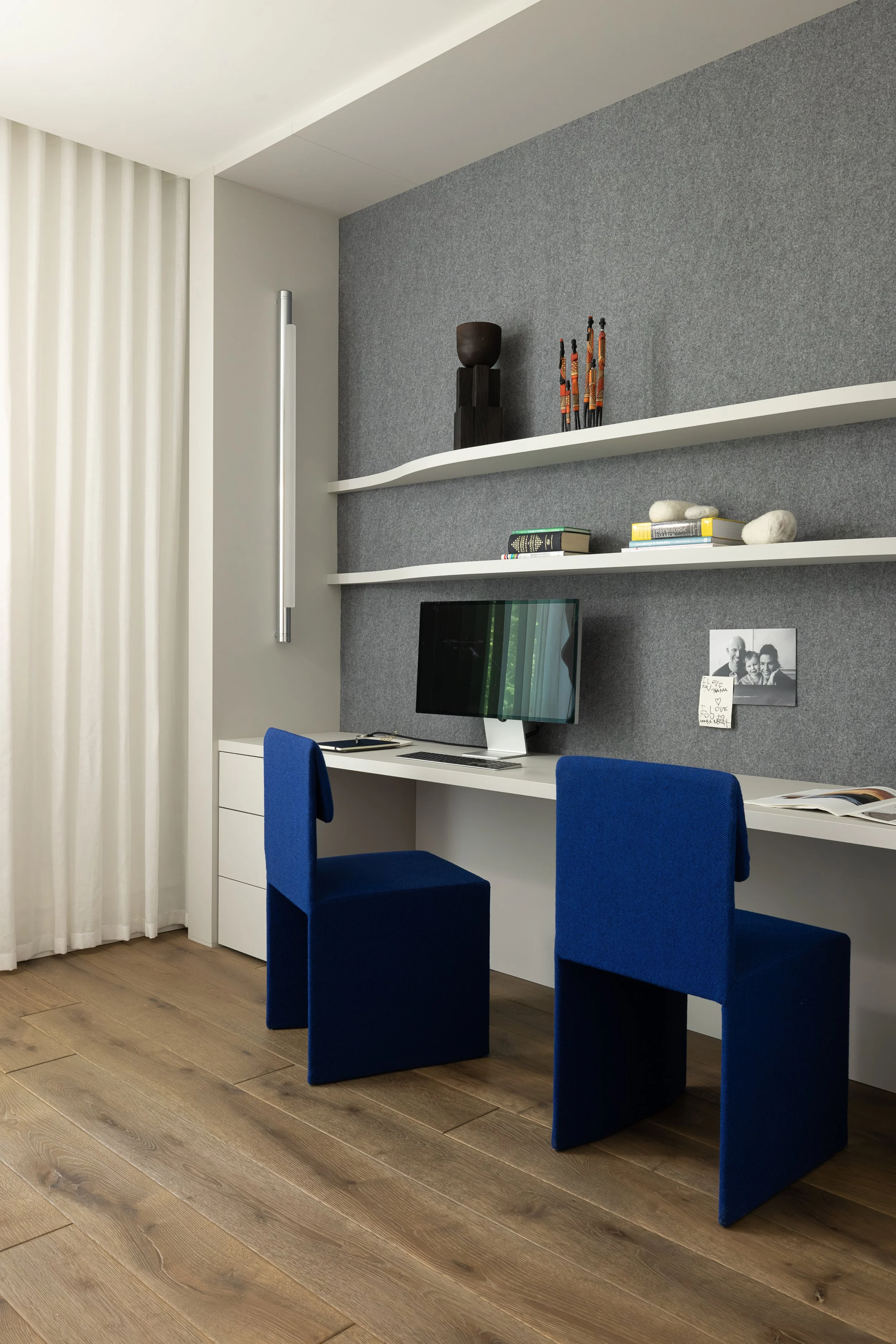
Inside, the intimacy of the Victorian plan is treated as an asset rather than something to overcome. The traditional sequence of foyer, living room, dining room, and kitchen remains intact. Rather than opening the house into one continuous space, long views connect distinct rooms that retain their own purpose and atmosphere. The east-facing kitchen looks onto the garden and receives morning light; by afternoon, the living room at the front comes alive. Upstairs, a shared office accommodates work and homework side by side, while the child’s bedroom is intentionally compact, encouraging daily life to spill into the rest of the house. A double-height den creates another intimate family space, where generosity comes from height, light, and volume rather than additional floor area.
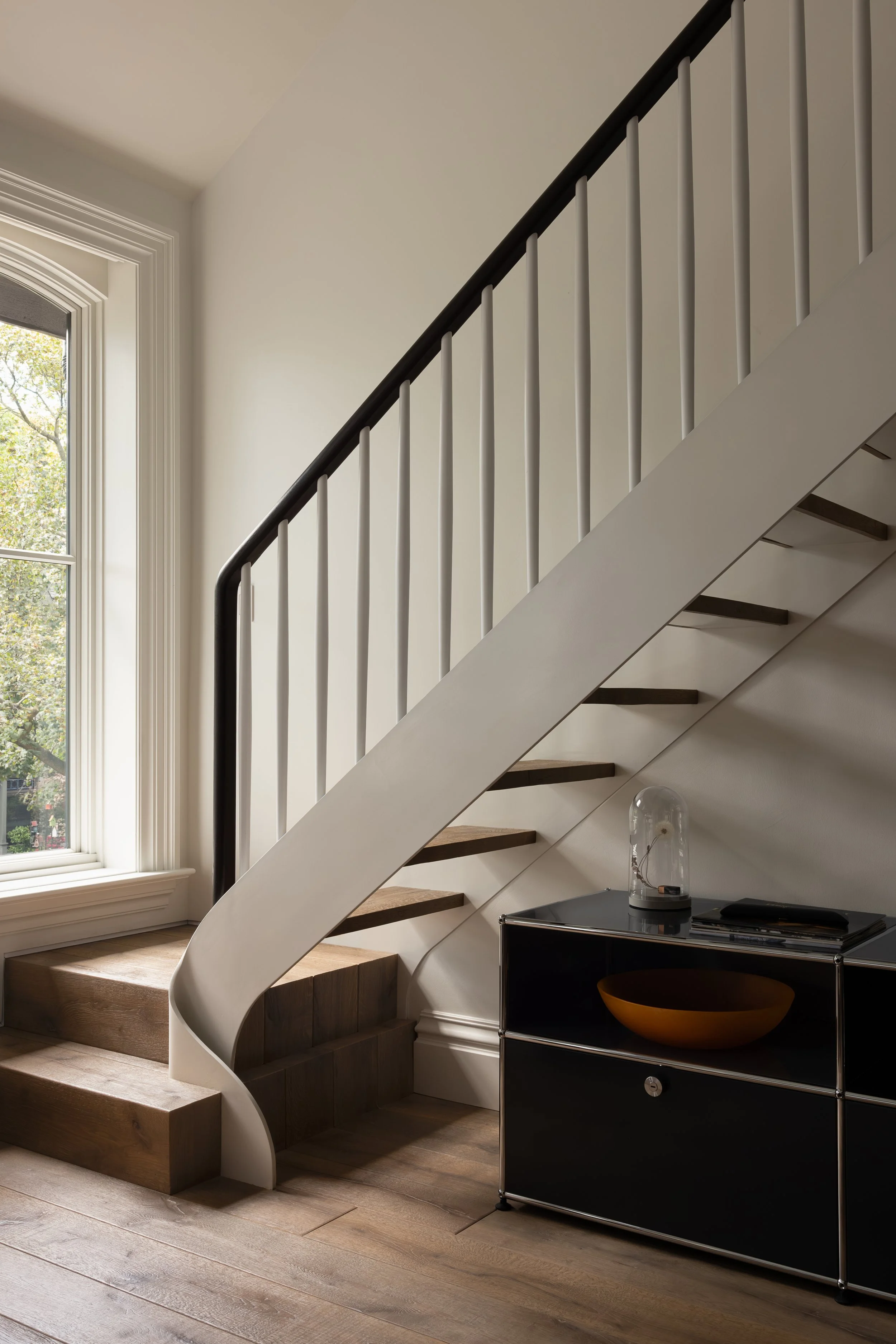
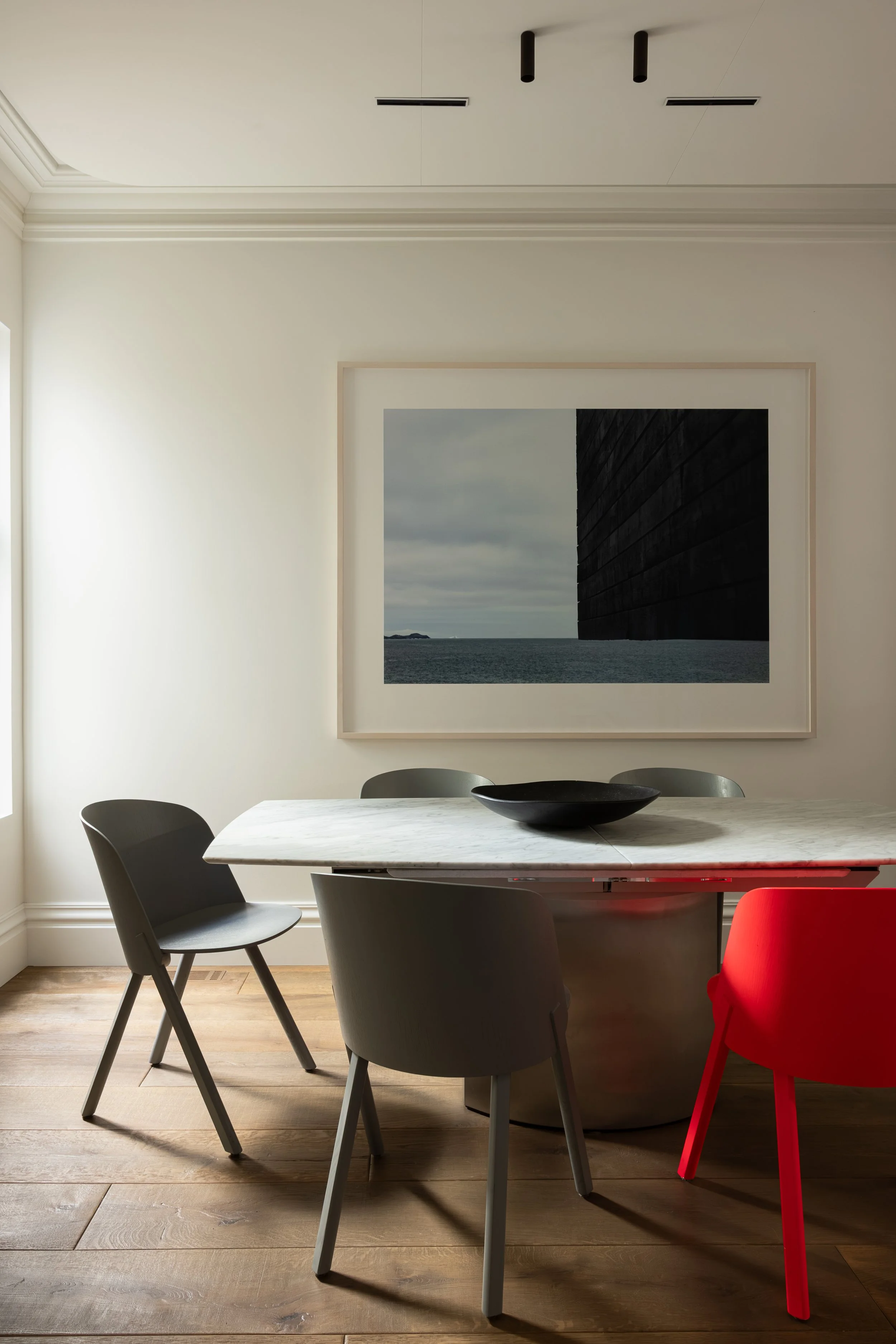
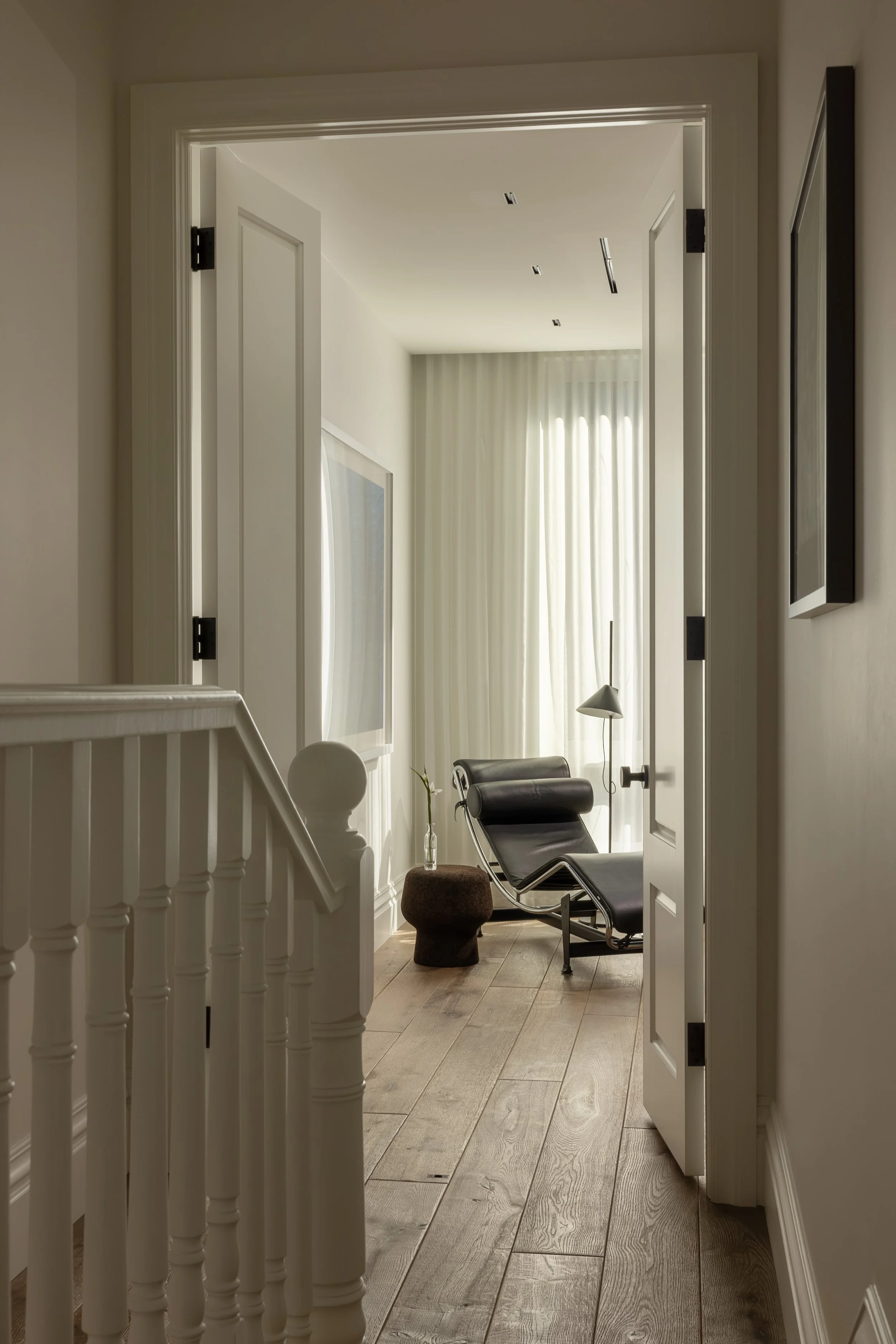
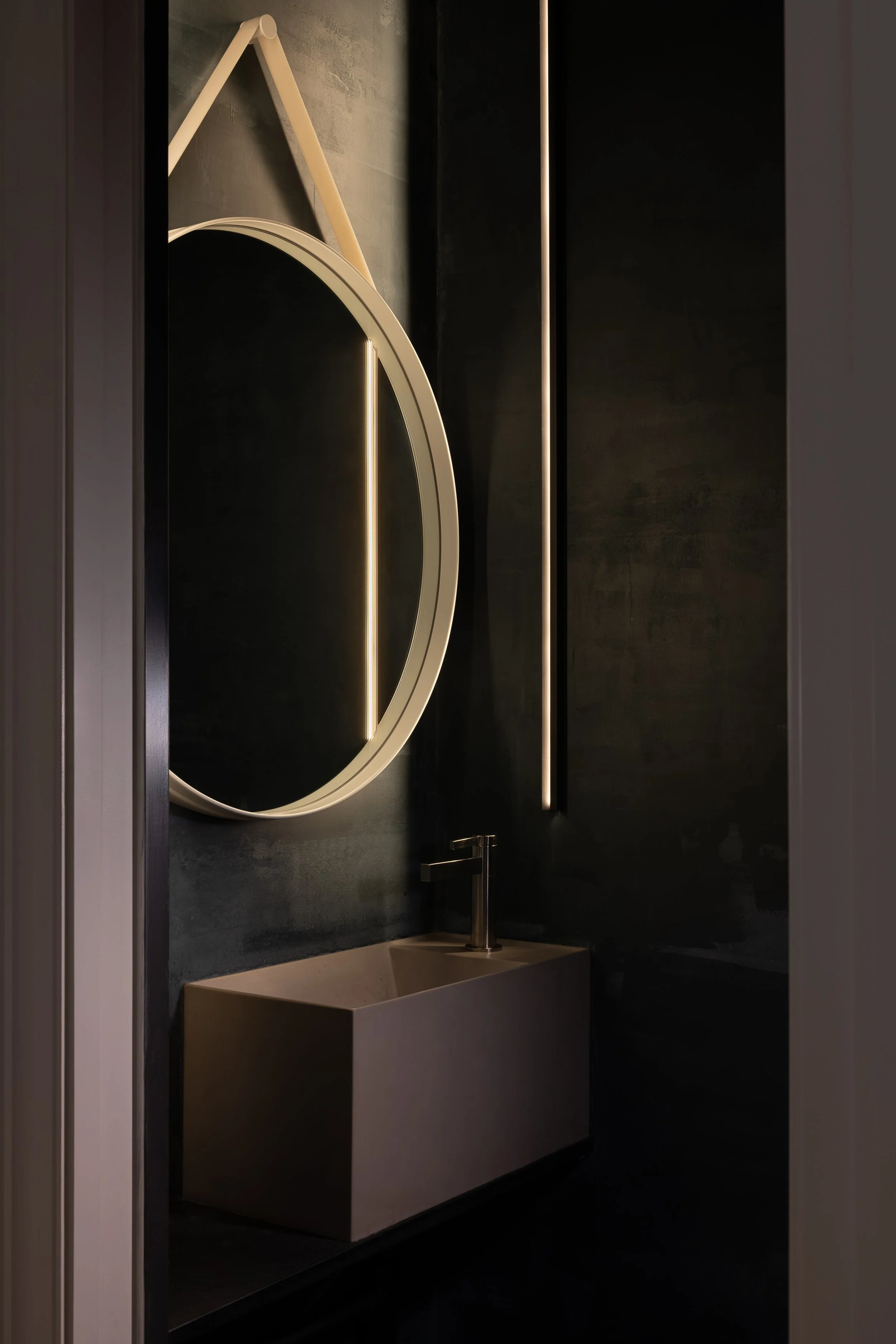
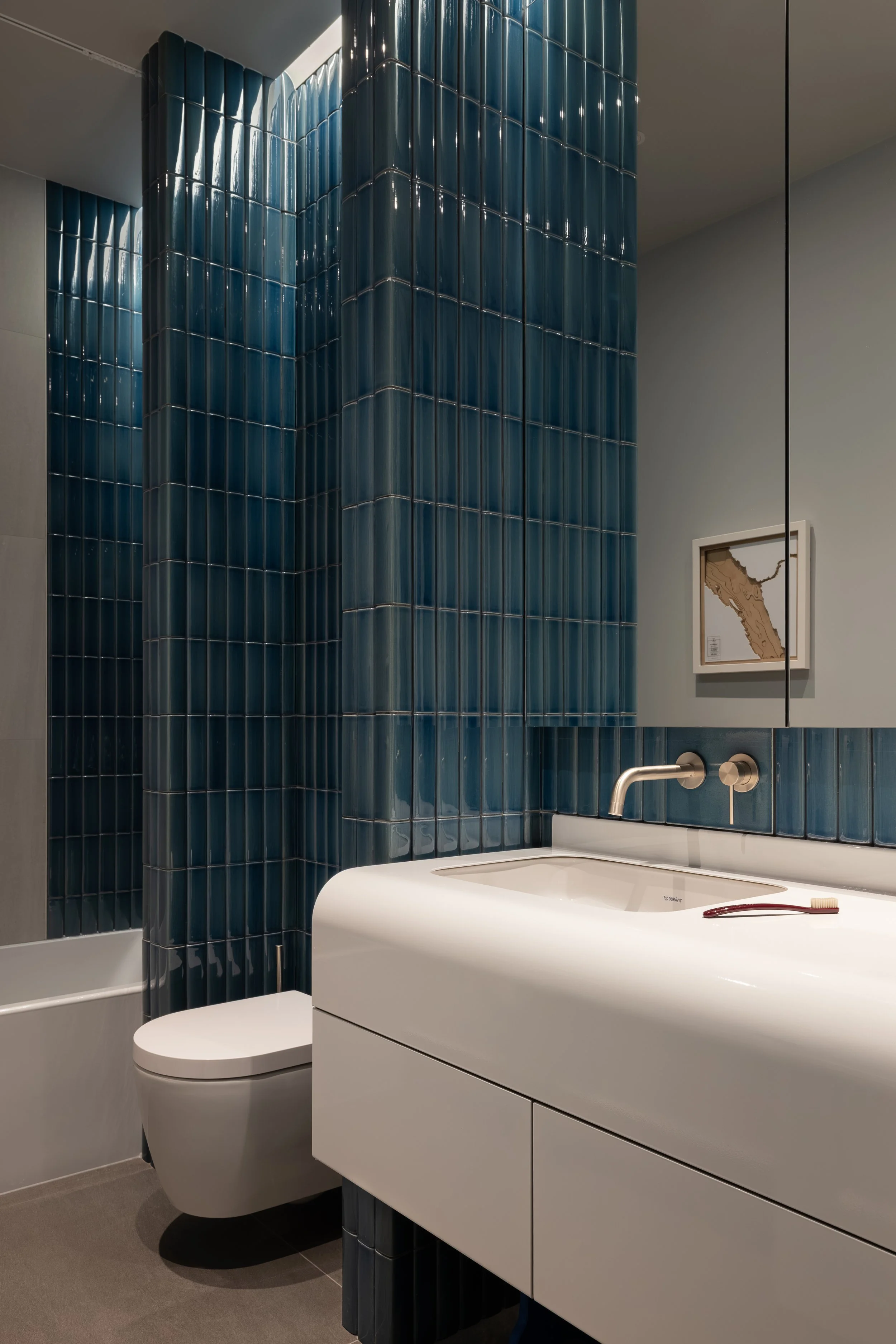
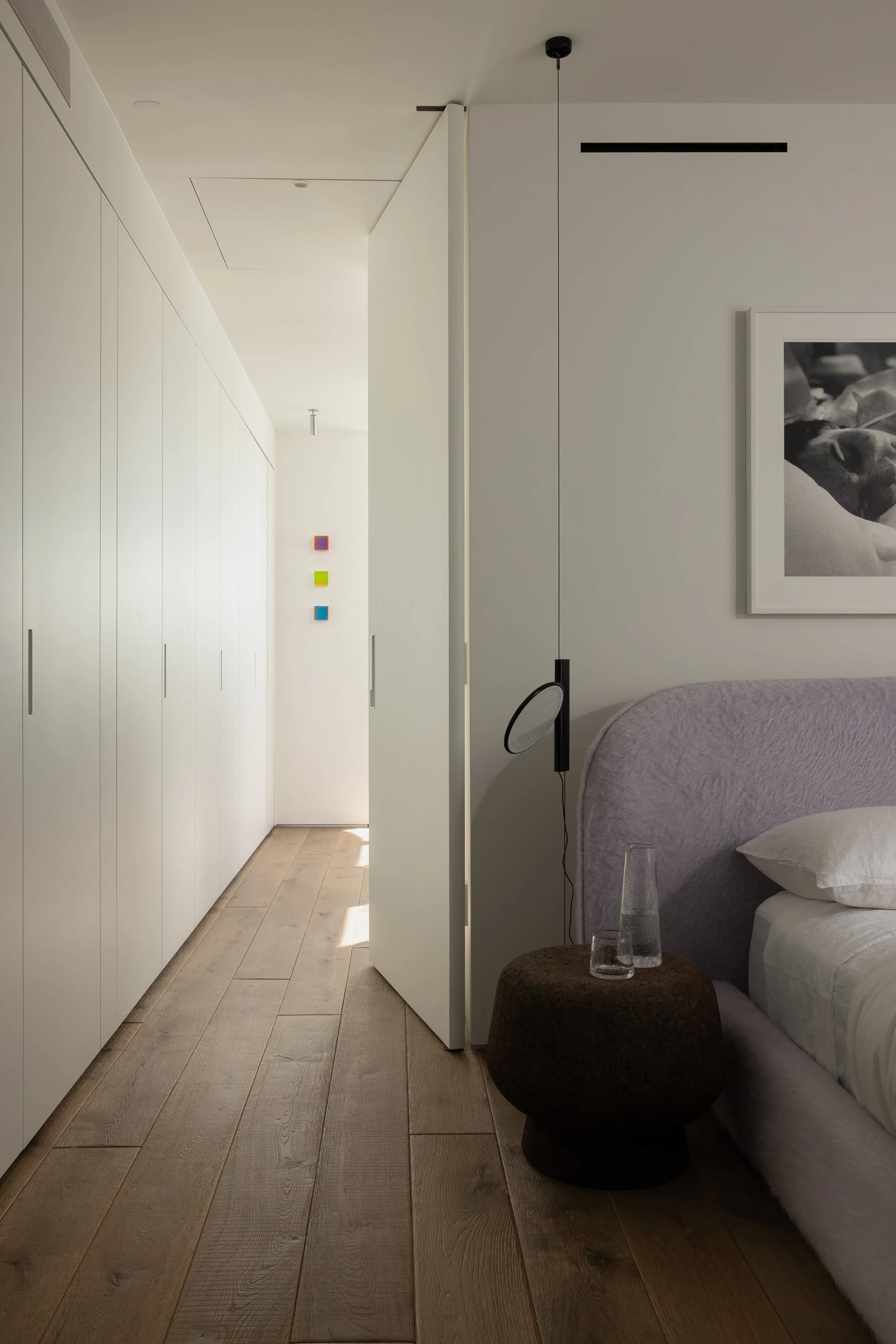
The house’s relationship with time is also expressed through its objects and materials. Restored Victorian mouldings and fireplaces are joined by defining pieces of both modernist and contemporary design. Le Corbusier and USM pieces sit alongside the Victorian architecture as expressions of their respective eras, bringing the qualities of each into sharper relief. This extends to the material palette: in the blue bathroom, the variation of hand-painted tiles contrasts with the precise, machine-made metallic curves of the vanity.
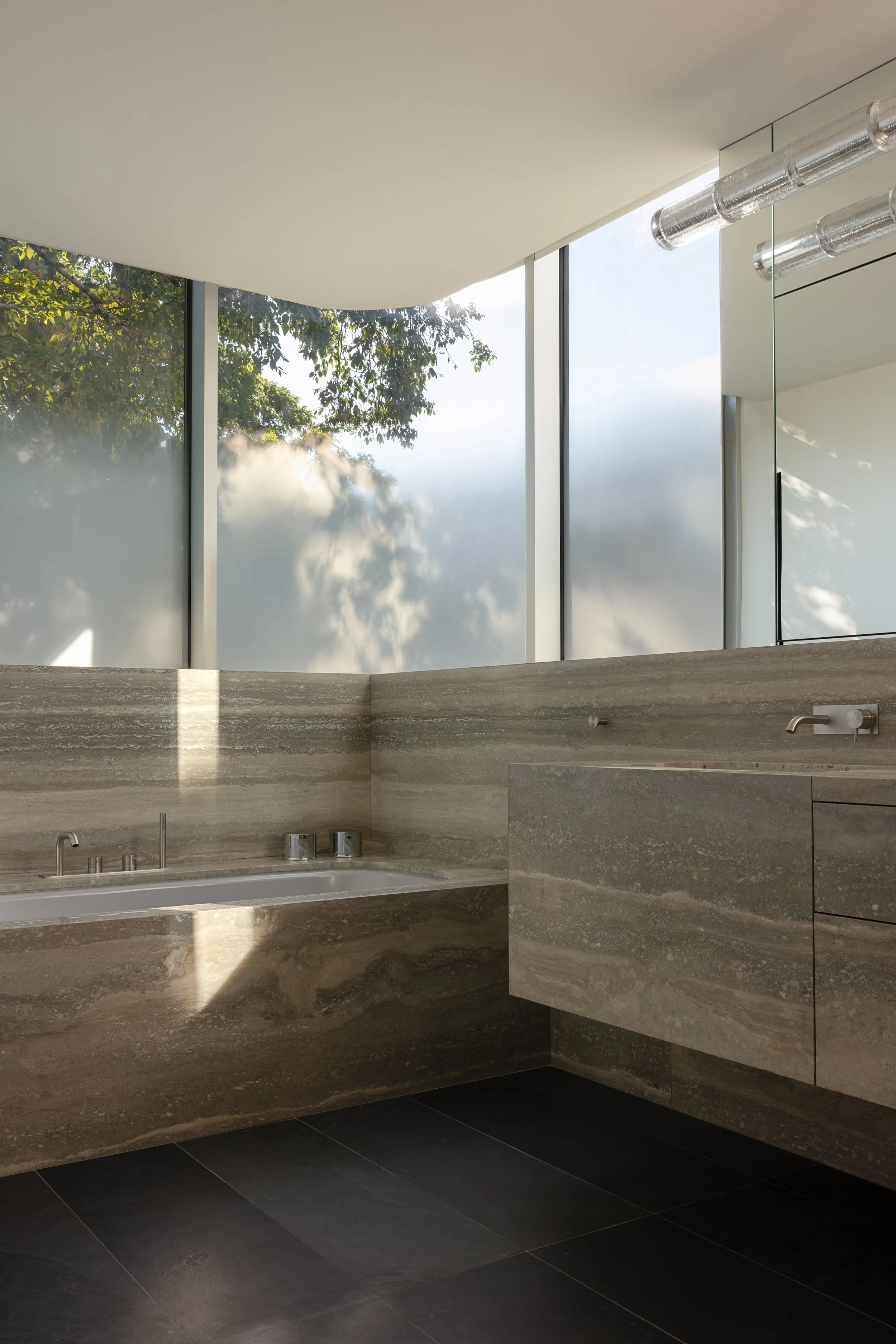
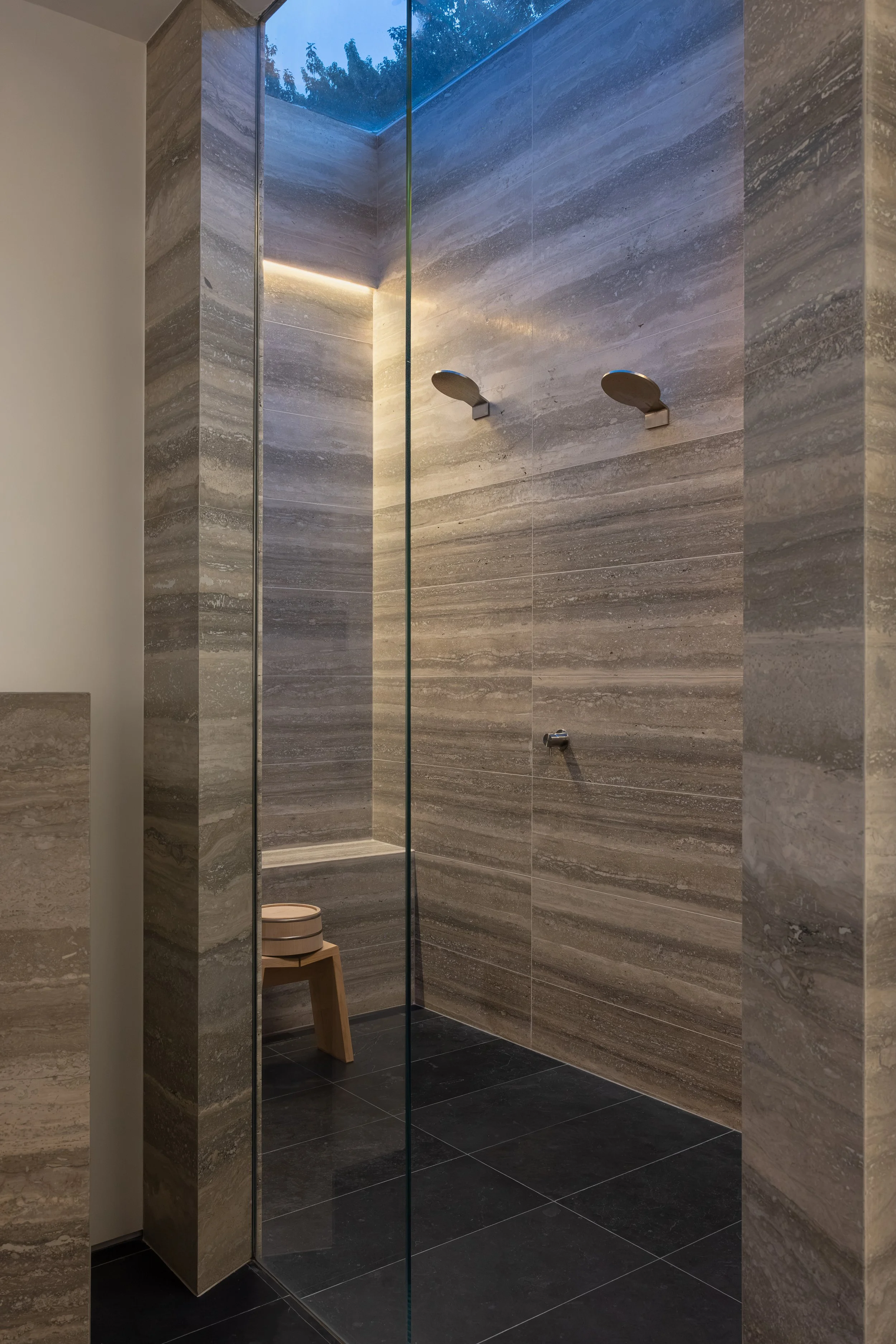
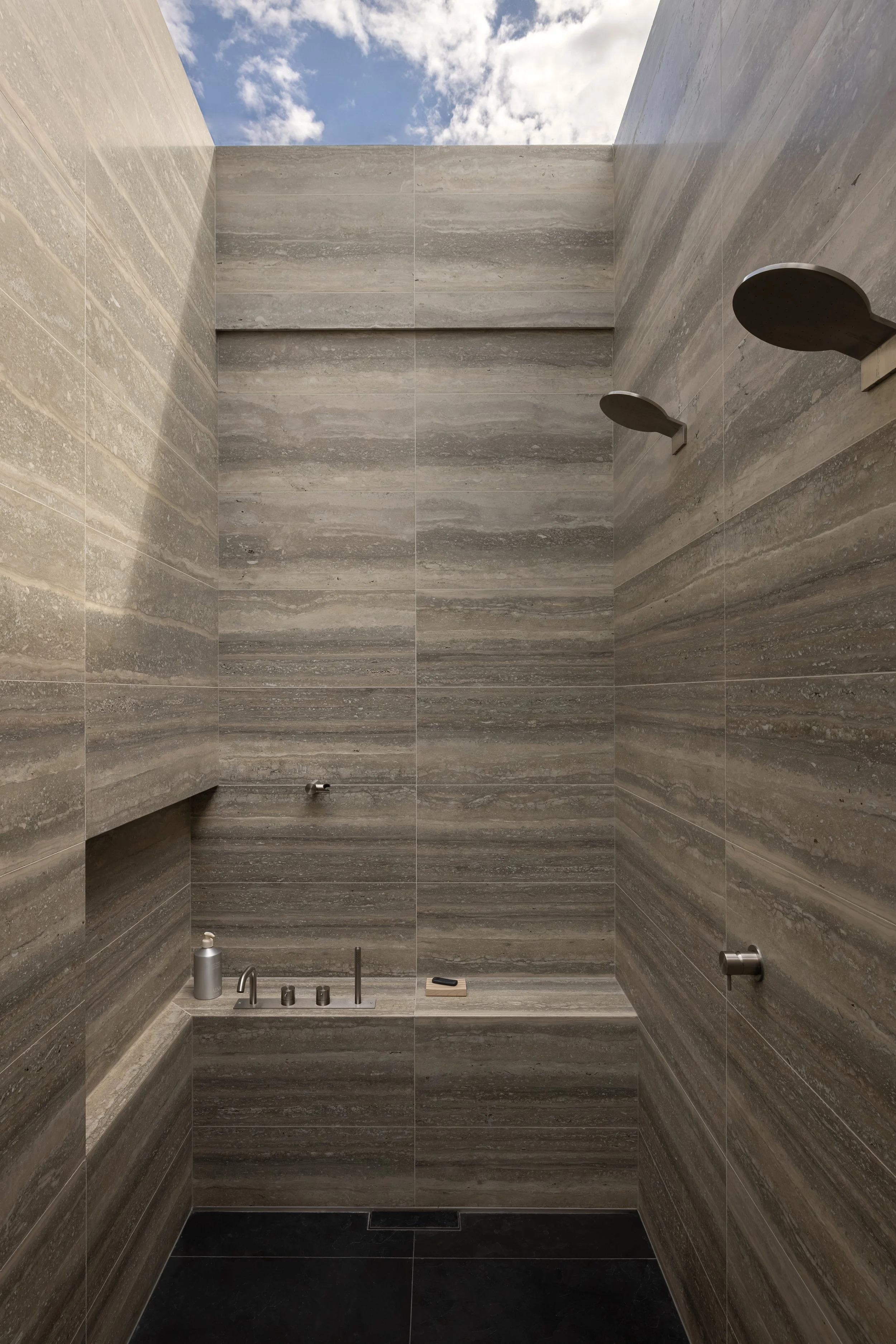
At the top of the house, the primary suite reconsiders how space and exposure are typically allocated within a home. Though both rooms are relatively compact, the ensuite is roughly equal in size to the bedroom, giving a significant share of the house’s limited square footage to a part of domestic life typically treated as secondary. The bathroom occupies the east- and south-facing corner, where curved glazing brings in morning light and frames views to the treetops and skyline. Graduated film balances these views with privacy and solar gain, while a skylit shower with an onsen-like sitting area creates an enveloping space to bathe. Warm grey travertine gives the room a monolithic quality that shifts with the changing daylight.
Future-proofing the house also extends to how it performs. Solar panels, heat pump ERVs, battery storage, upgraded insulation, and automated solar shades reduce its energy demands, while intelligent controls manage when energy is stored, drawn from the grid, and used throughout the day. For Wallace, these systems are as much a part of progressive architecture as the spatial and material decisions throughout the house.